Update on Order Processing
As of August 16, the current website will cease to take orders and will no longer be under the ownership of Entropy Labs. This decision has been driven by various challenges, including legal disputes and concerns around financial sustainability. Effective immediately, we will not process any new orders through the site.
Transition Plan for Customers
To ensure a smooth transition for our customers, the website will remain active for an additional month. During this period, visitors will be directed to the new owner’s contact details. The new owner will not maintain a website, and all orders will need to be processed via email.
Stock Availability and Pricing Information
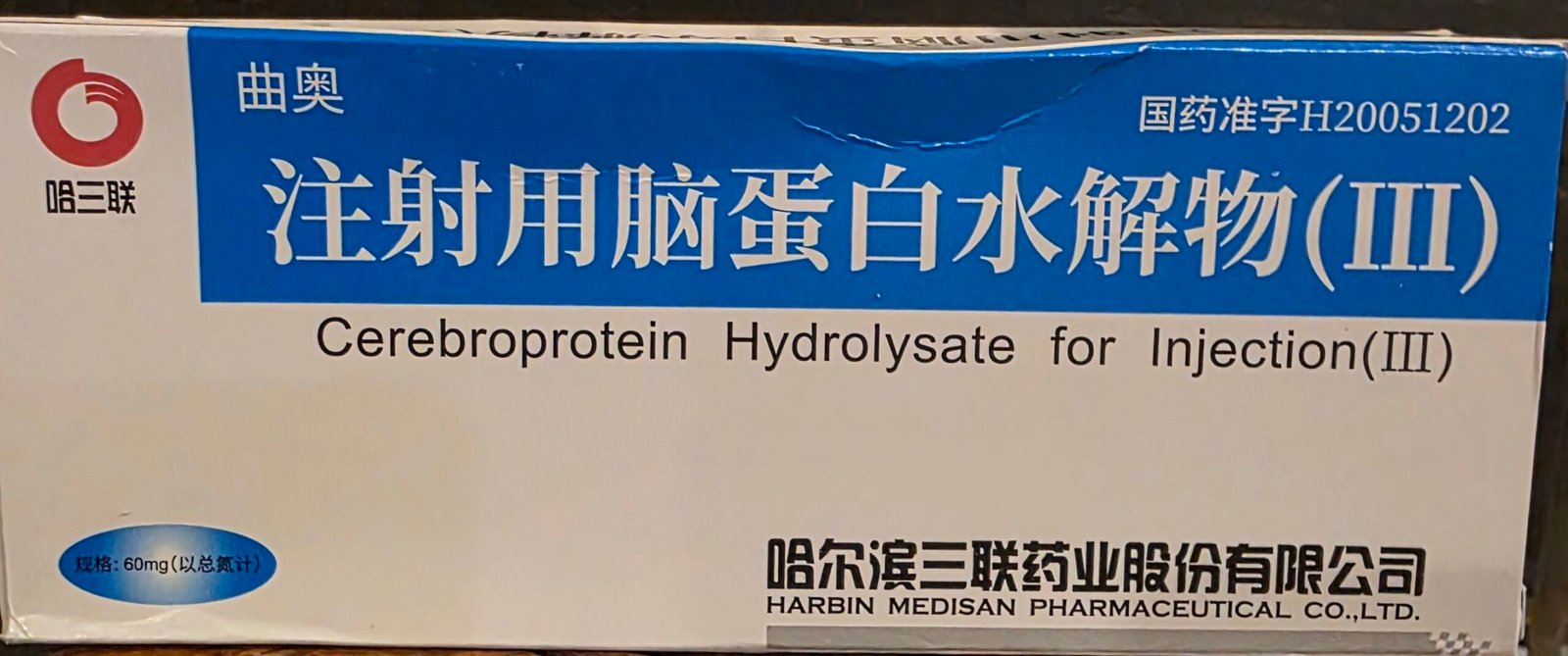
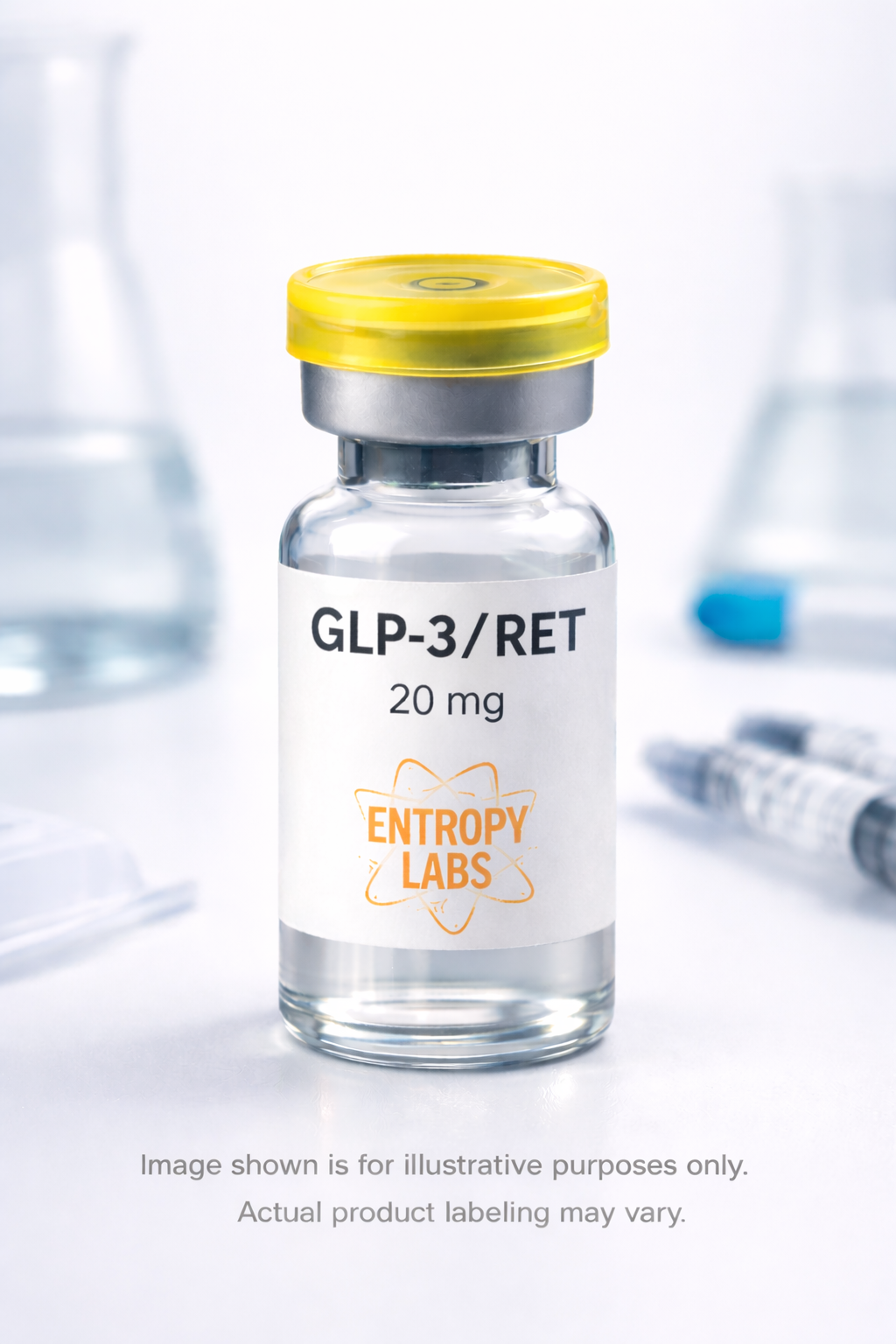
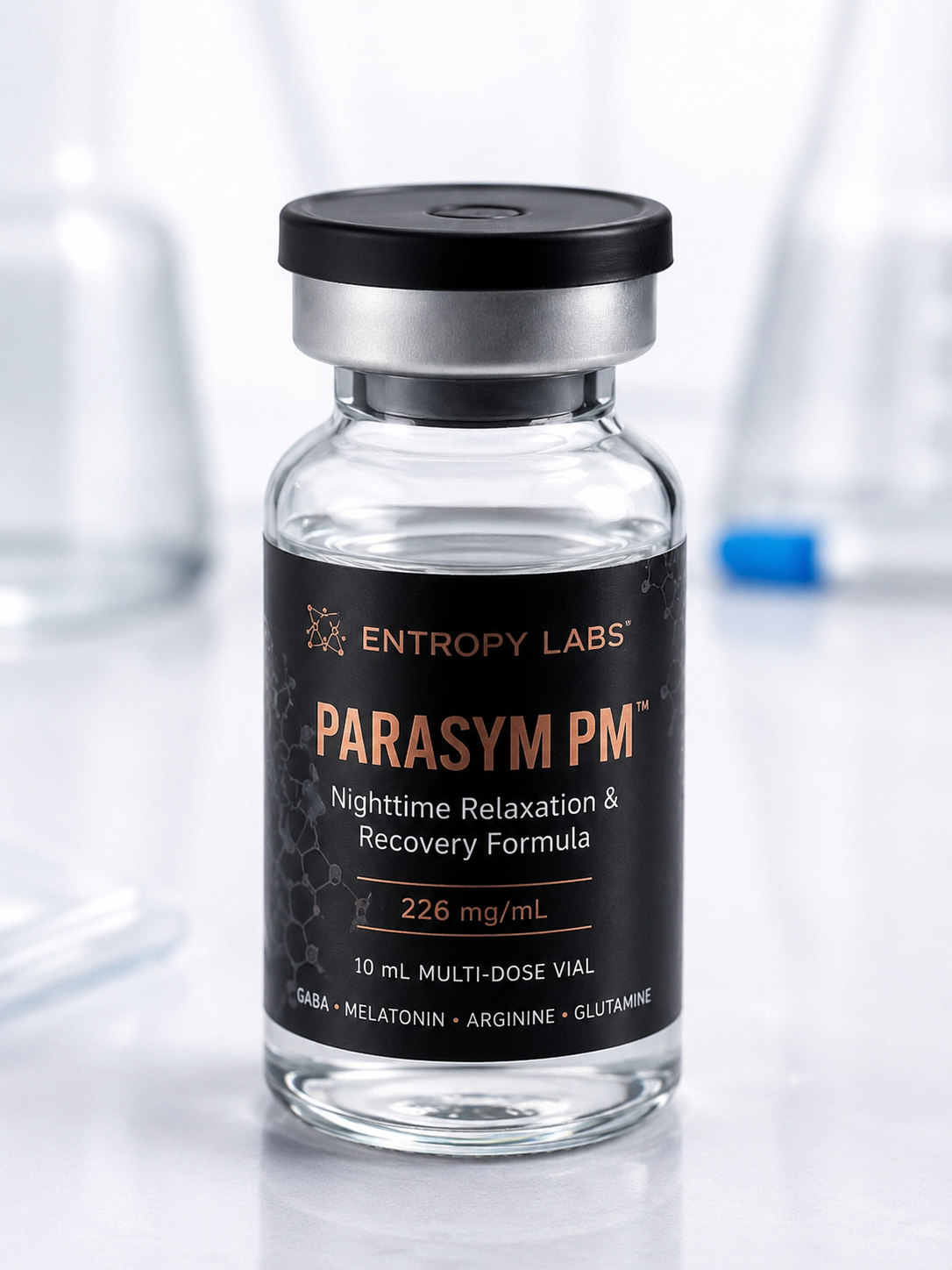
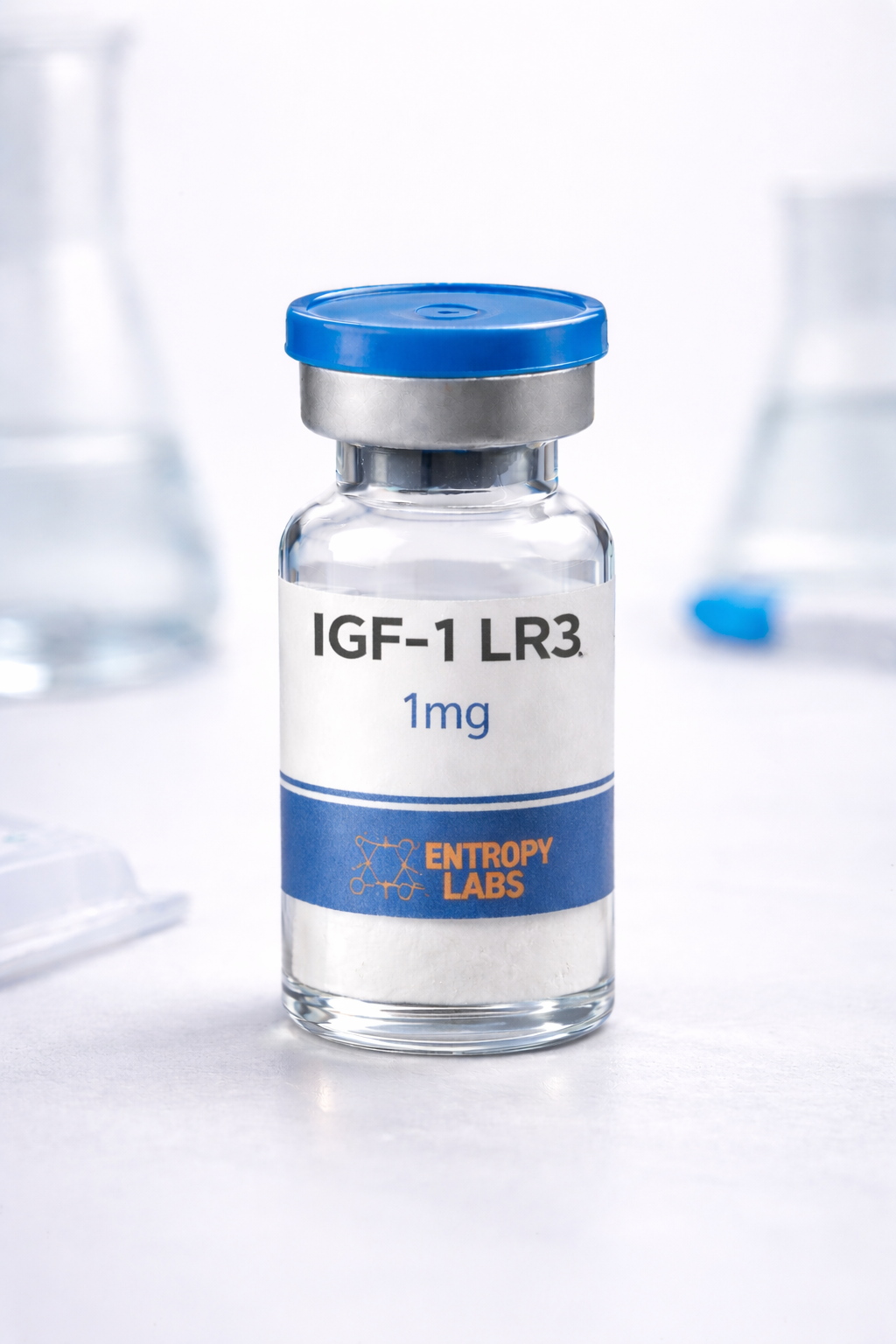
Customers should be aware that the availability of remaining stock and pricing may vary under the new ownership. If you are interested in purchasing items, please reach out to the new owner via email. They will provide an updated price list and payment options tailored to your needs. We appreciate your understanding during this transition and encourage you to contact them for any inquiries.
Eutaxy_Trading_Co@proton.me




Reviews
There are no reviews yet.