Description
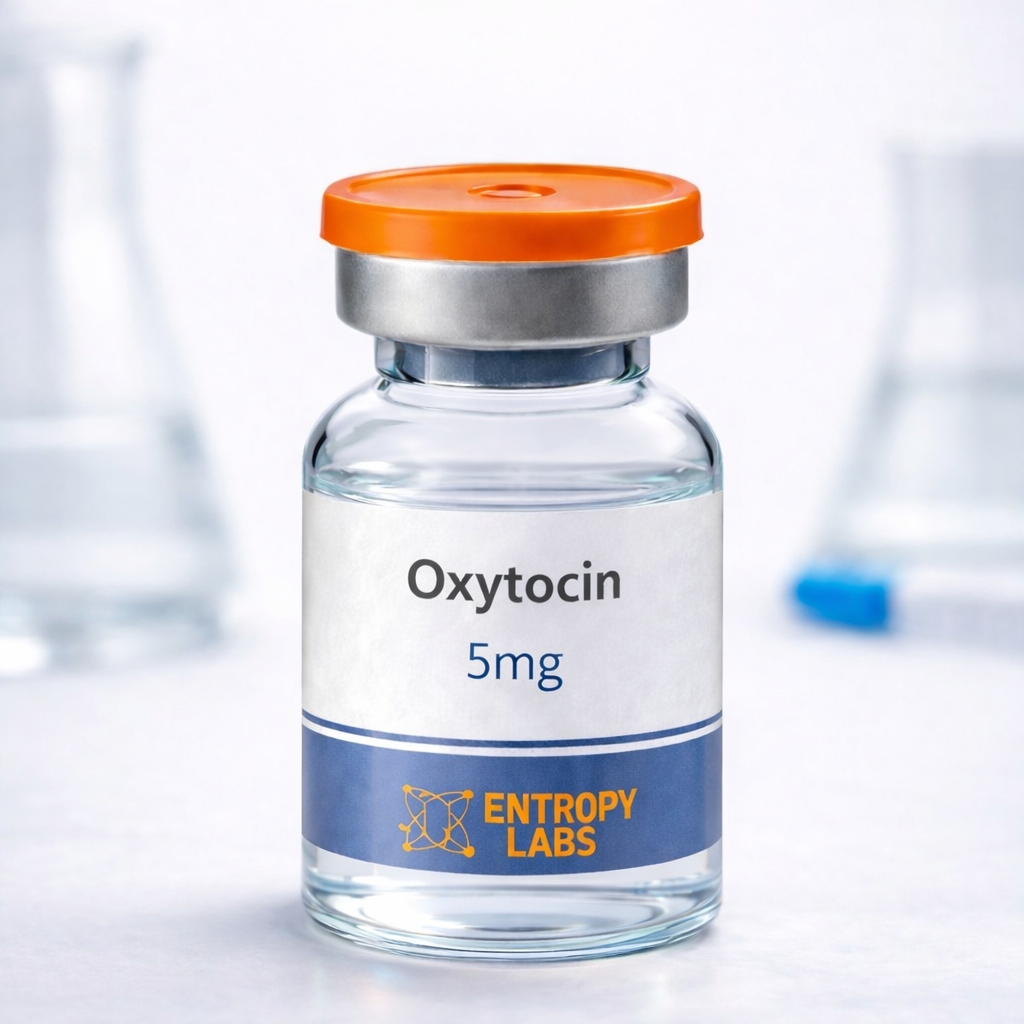
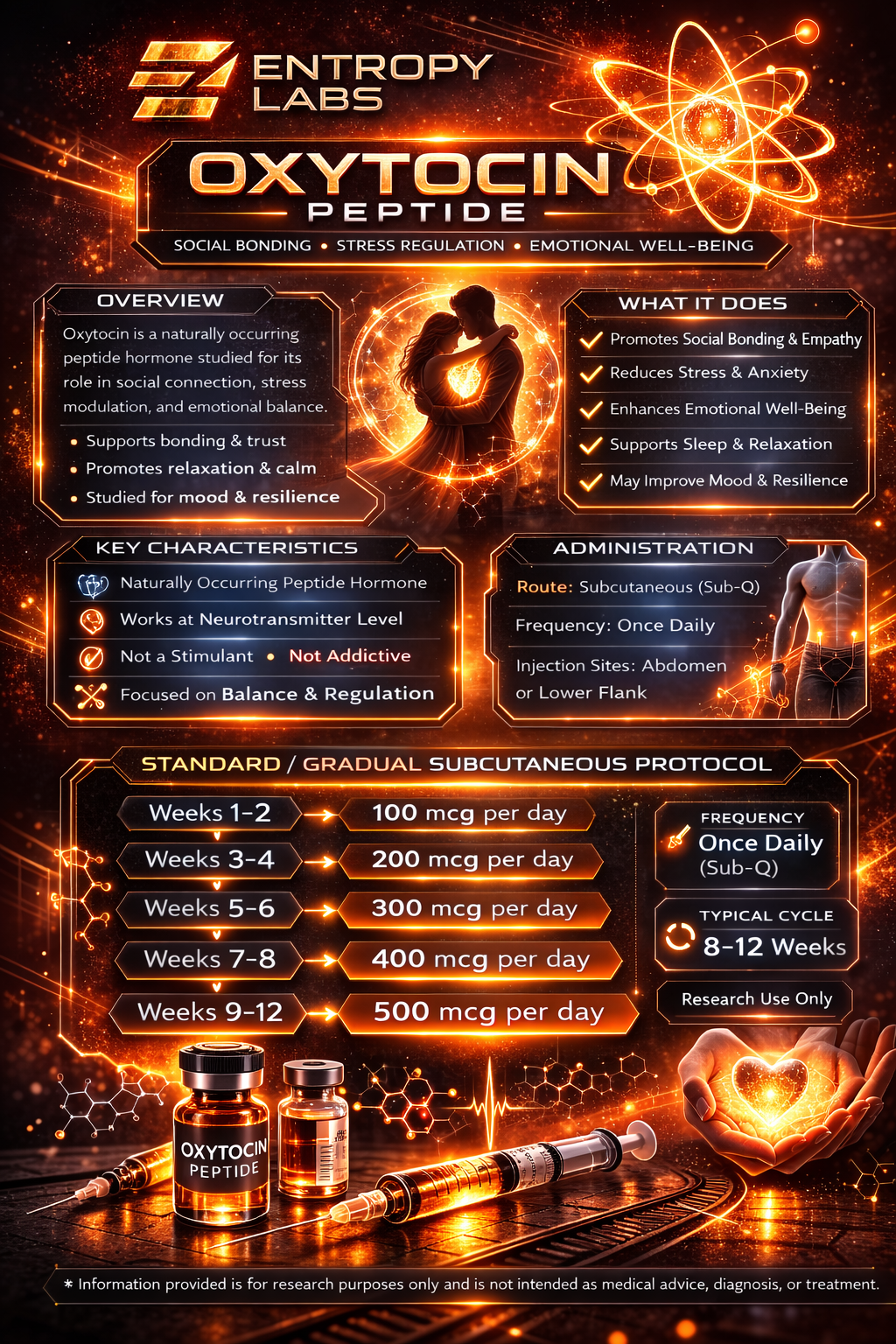
Oxytocin is a nine–amino acid peptide hormone and neuropeptide synthesized in the hypothalamus and released into the bloodstream by the posterior pituitary gland. It acts both as a hormone (circulating through the blood) and as a neurotransmitter (affecting brain activity).
Physiologically, oxytocin is best known for its role in:
Labor and delivery – It stimulates uterine contractions during childbirth.
Milk let-down reflex – It causes contraction of mammary glands during breastfeeding.
Reproductive function – It plays a role in sexual arousal and orgasm in both men and women.
Neurologically and behaviorally, oxytocin influences:
Social bonding and attachment – Strengthens maternal bonding, pair bonding, and trust.
Emotional regulation – Modulates fear and anxiety responses through effects on the amygdala.
Stress response – Can blunt cortisol levels in certain contexts.
Social cognition – Affects empathy, recognition of social cues, and interpersonal connection.
Because of these effects, oxytocin has been studied in areas such as postpartum recovery, anxiety disorders, autism spectrum conditions, trauma response, and social behavior modulation. However, its psychological effects are context-dependent — it can enhance bonding and trust in some situations while intensifying in-group bias in others.








Reviews
There are no reviews yet.