Description
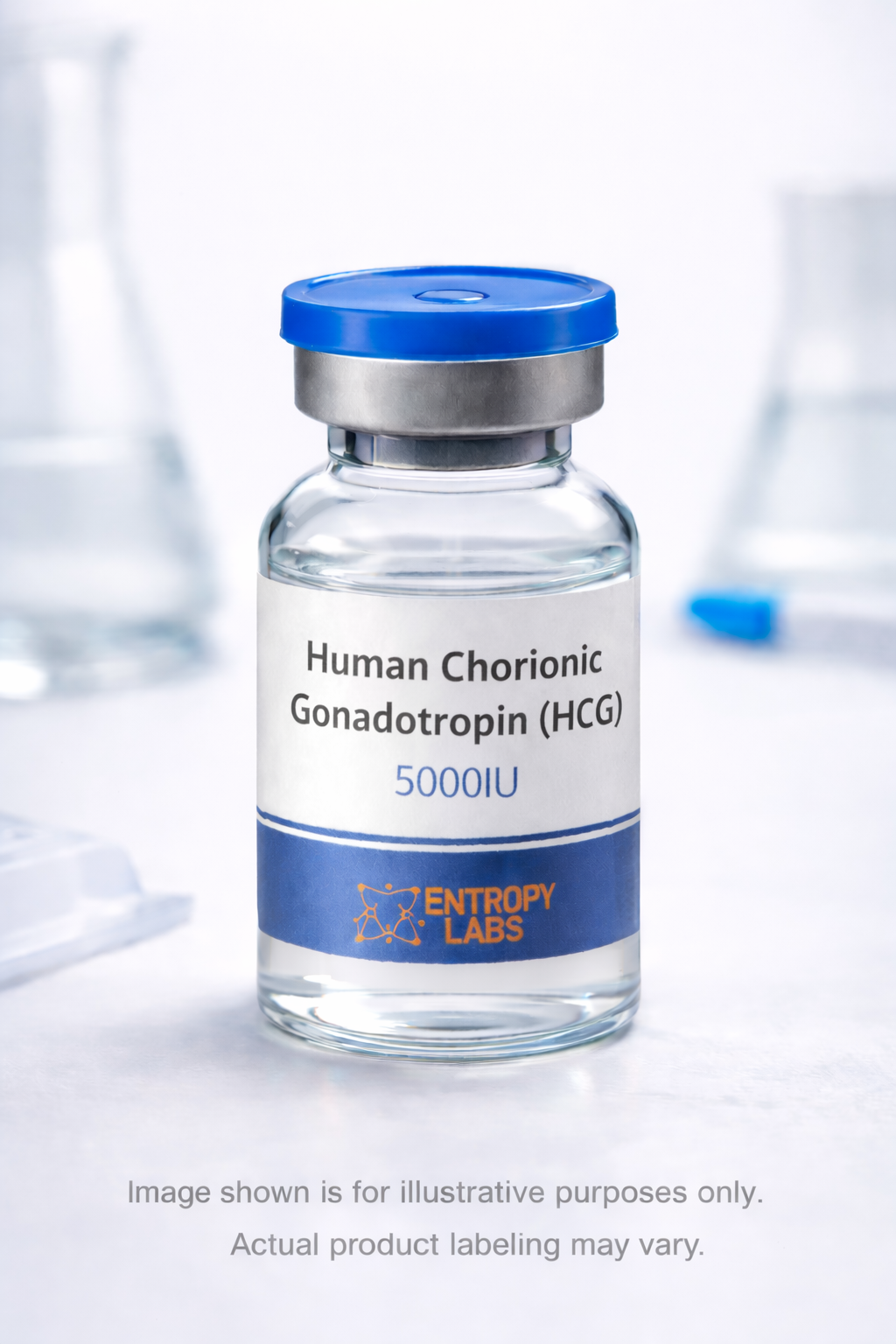
Human Chorionic Gonadotropin (HCG) is a naturally occurring peptide hormone best known for its role in endocrine signaling and reproductive biology. Structurally and functionally similar to luteinizing hormone (LH), HCG binds to LH receptors in the testes, stimulating testosterone production and supporting intratesticular function without directly suppressing the hypothalamic–pituitary–gonadal (HPG) axis.
In research contexts, HCG is widely studied for its ability to preserve testicular size and function, support endogenous testosterone output, and maintain fertility-related signaling, particularly in models involving androgen suppression or recovery protocols. Unlike direct testosterone administration, HCG works upstream by signaling the body to continue its own hormone production rather than replacing it.
HCG has also been explored for its role in spermatogenesis, Leydig cell stimulation, and broader endocrine balance. Due to its peptide structure and receptor specificity, it is frequently incorporated into research protocols focused on hormonal resilience, recovery phases, and long-term endocrine health.
As with all peptide compounds, HCG is intended strictly for research and educational purposes, and its effects, protocols, and applications should be evaluated within controlled scientific frameworks.



Reviews
There are no reviews yet.